The competitiveness of regions in the 21st century depends on the quality of their innovation ecosystems.
It is not just about startups or technology.
It is about institutional architecture, entrepreneurship policies and the ability to turn knowledge into sustainable growth.
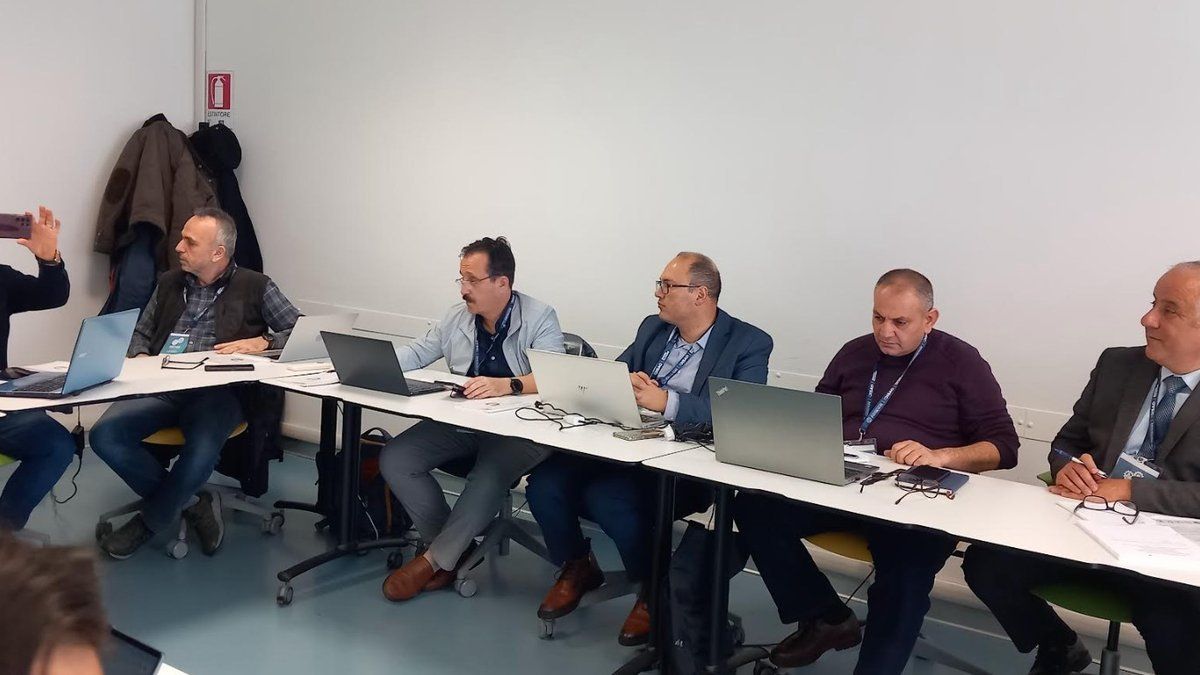
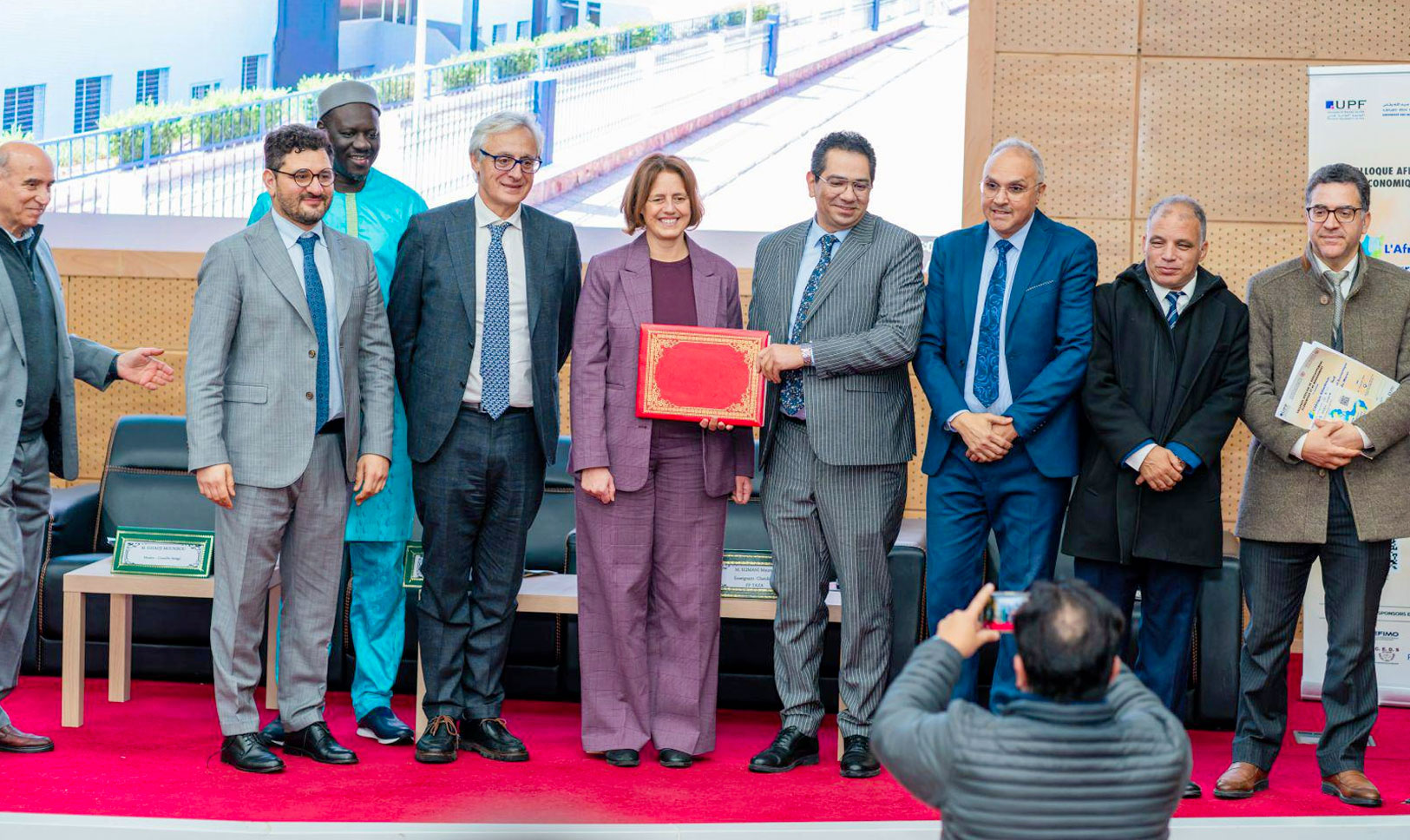
With this in mind, the UNESCO Chair Parthenope undertook a strategic mission to Morocco, visiting Sidi Mohammed Ben Abdellah University in Fez to strengthen trans-Mediterranean cooperation and help shape a shared development agenda for Europe and Atlantic Africa.
Together with Professors Chiara Cannavale and Andrea Caporuscio, we worked with the University of Fez and institutional stakeholders towards a shared goal: building entrepreneurial ecosystems capable of generating sustainable economic growth over the long term.
The signing of the agreement between the University of Naples “Parthenope” and the University of Fez marks the beginning of a structured partnership in education and research. A lasting bridge between academic systems committed to innovation-driven development.
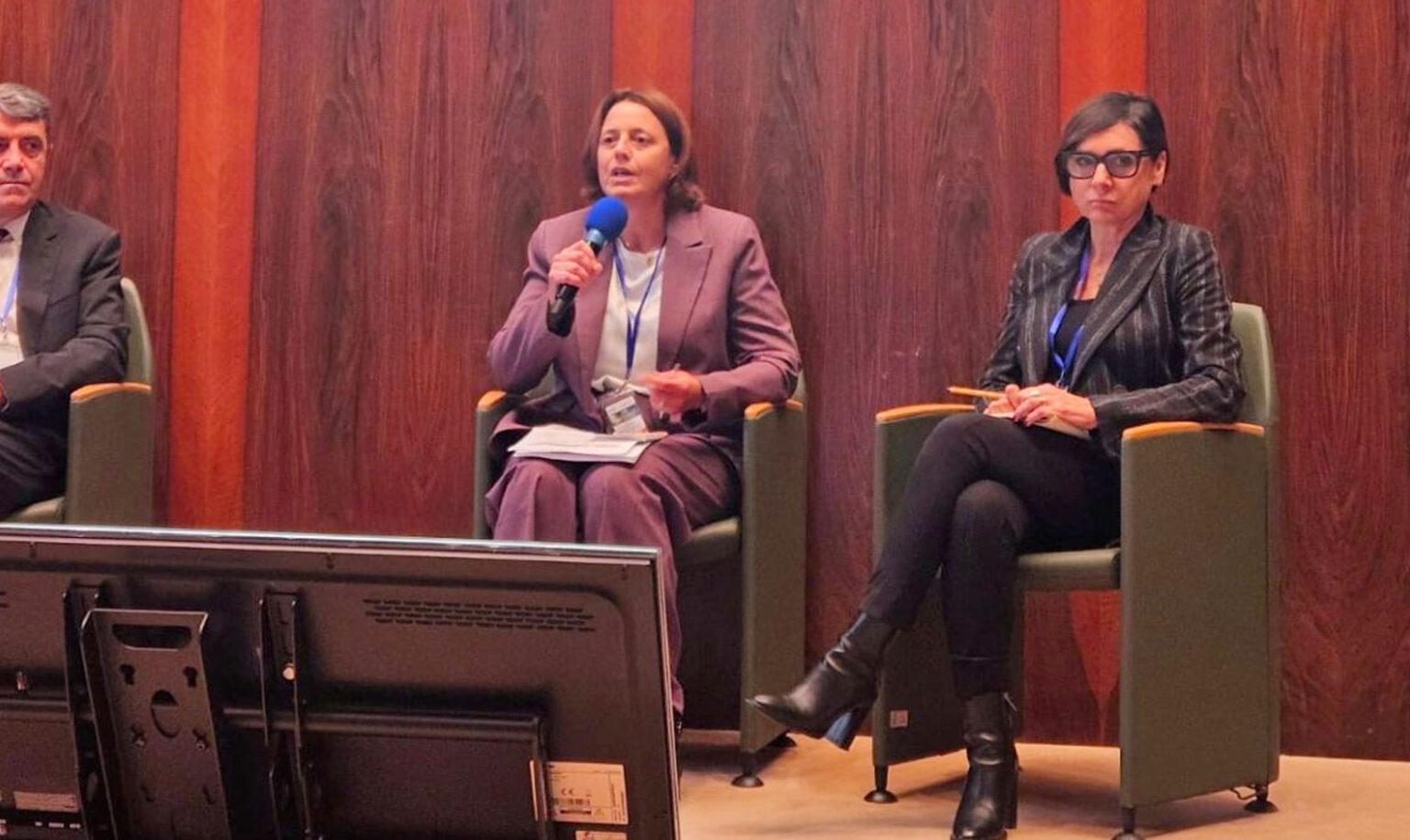
At the International Conference of Atlantic African Countries — Atlantic Africa: South–South Partnership and Morocco’s Global Positioning — our contribution focused on a clear strategic proposal: accelerating Morocco’s development through a comprehensive entrepreneurship policy framework and systematically harnessing the potential of the blue economy.
In the Mediterranean and across the MENA region, the challenge is clear:
- Move from isolated initiatives to integrated ecosystems.
- Move from fragmented policies to systemic strategies.
- Move from local ambitions to global positioning.
Entrepreneurship is not a secondary component of development. It is its driving force.
And ecosystems provide its architecture.
Which policy instruments can turn this transition into lasting structural change in emerging contexts?
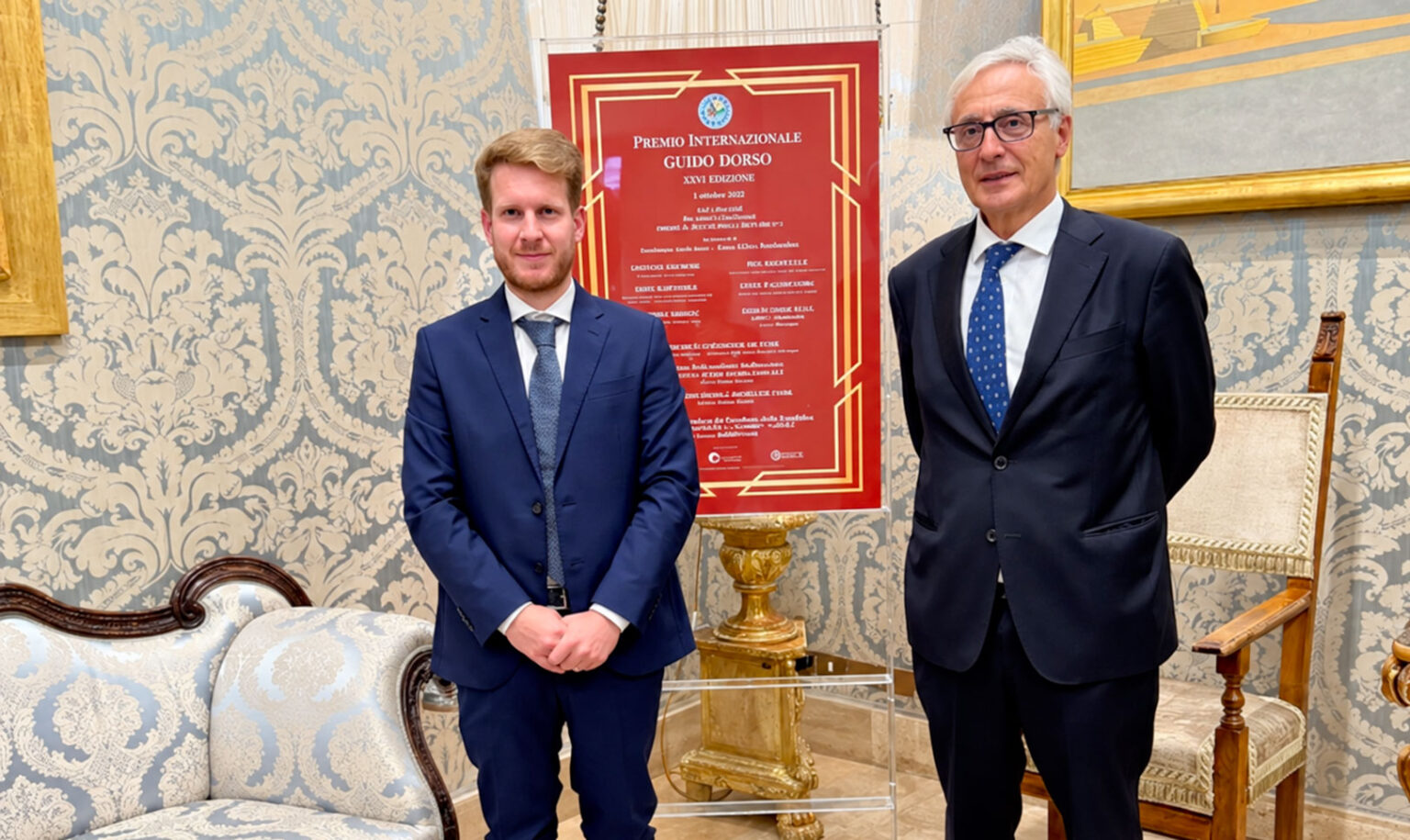
Sincere thanks to our colleagues at the University of Fez, Mohamed M’hamdi, Meryem Ait and Mohammed Chafi, and to Professor Francesco Saverio Coppola of the Guido Dorso International Association for their key role in organising the mission.